
A guide to veteran entrepreneurship

Starting a Business as a Veteran: 7 Things to Consider

Your next chapter can take many forms. If you're exploring business ownership after military service, start with the responsibilities, financial commitments, training, and ownership model that best match your goals.

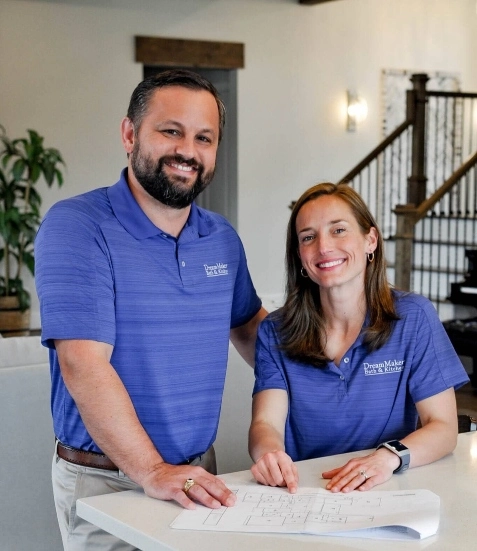
Jeff and Ruth Vargo, veteran DreamMaker Bath & Kitchen franchise owners in The Woodlands, Texas
Jeff & Ruth Vargo | U.S. Army Veterans | DreamMaker franchise owners The Woodlands, TX

Planning your next chapter

Choose the Right Business, Not Just the Next Job

Military experience may build valuable leadership and operational skills, but business ownership brings additional responsibilities. Consider the work you want to do, the risk you can accept, and what support you may need. The FTC's franchise buyer guidance is a useful starting point for comparing ownership options.

01 / 07

Decide what you want to lead

Do you want to manage employees, build client relationships, oversee operations, or personally deliver a service? Consider the hours, responsibilities, and flexibility you realistically want.

02 / 07

Compare independent ownership and franchising

Starting independently offers flexibility but requires you to develop your own systems and brand. Franchising may provide a defined model and training, while adding fees, contractual requirements, and operating standards. FTC guidance.

03 / 07

Look beyond the startup price

Evaluate initial costs, working capital, financing, recurring expenses, and personal living costs while a business gets established. A veteran incentive or fee discount does not remove the underlying investment risk.

04 / 07

Identify strengths—and gaps

Leadership, accountability, logistics, and process management may transfer well. Sales, local marketing, hiring, customer service, and financial management may require additional training or outside expertise.

05 / 07

Research local demand

Look at the potential customer base, competition, pricing, and economic conditions in your area. A business that sounds appealing nationally still needs a workable local market and a realistic plan to win customers.

06 / 07

Understand what help is actually included

Compare initial training, ongoing coaching, technology, marketing, and access to other owners. Ask exactly what is included, what costs extra, and what assistance is available after opening.

07 / 07

Plan for the years after launch

Think about your desired level of involvement, staffing needs, family priorities, and eventual succession or exit. Evaluate whether the work of running this business matches the life you want to build.

Resources and due diligence

Get Reliable Guidance Before You Invest

Independent advice can help you clarify your business plan, compare financing options, and evaluate a franchise agreement. Veteran-specific resources and established consumer guidance are useful starting points.

Reviewing financial documents during a planning meeting
  • SBA Boots to BusinessEntrepreneurship education for transitioning service members and military spouses. View SBA program.
  • Veterans Business Outreach CentersTraining and business counseling for eligible veterans and military communities. Explore SBA resources.
  • FTC Franchise Buyer GuideGuidance on disclosure, financial commitments, and researching a franchise. Read the guide.

Questions Worth Asking Before You Commit

Select a question to explore the answer. On mobile, tap a question to expand it.

QUESTION 1 OF 5

What should I budget beyond the initial investment?

Include startup costs, working capital, loan payments, recurring fees, marketing, hiring, and personal living expenses. Build cash-flow projections for slower-than-expected sales, and ask how the costs are documented. The FTC recommends reviewing the full financial obligations before signing.

QUESTION 2 OF 5

Should I start independently or buy a franchise?

An independent business offers flexibility, but you must build your own processes, positioning, and support network. A franchise may supply training and a system, while charging fees and requiring compliance with franchise standards. Compare both models with your goals and risk tolerance.

QUESTION 3 OF 5

What training and ongoing support will I really receive?

Ask for a written outline of initial instruction, coaching after opening, technology, marketing support, and any additional costs. Talk to current and former owners about what support actually looks like day to day.

QUESTION 4 OF 5

How can I evaluate the opportunity before signing?

Review the Franchise Disclosure Document where applicable, investigate your local market, speak to franchisees, and consult qualified legal and financial advisers. Under the FTC Franchise Rule, prospective franchisees generally must receive the disclosure document at least 14 calendar days before signing or paying.

QUESTION 5 OF 5

Where can veterans get business-startup guidance?

The SBA’s Boots to Business program and Veterans Business Outreach Centers offer entrepreneurship education and assistance. Eligibility and availability vary. These resources can help you evaluate business models, planning, and funding routes.

An example of a franchise model

Explore Business Ownership With DreamMaker

For veterans interested in team leadership and home improvement, DreamMaker Bath & Kitchen offers a kitchen and bath remodeling franchise built around a Design Center model, initial training, business systems, and ongoing franchise coaching. It is one option to assess against your goals, finances, and preferred role as an owner.

DreamMaker also publishes information about veteran opportunities and qualifying incentives. Review the current requirements and offer terms directly with the franchisor before making a decision.

Learn about DreamMaker's veteran franchise opportunity →
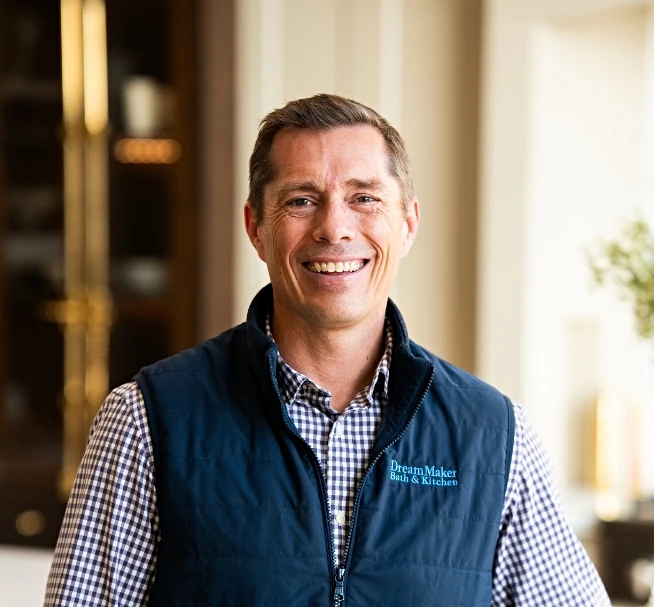
Jeremy Page - veteran franchise owner DreamMaker of Utah Valley

Jeremy Page | Veteran Franchise Owner DreamMaker Bath & Kitchen | Utah Valley, Utah

Training and coaching

Learn about the franchise's preparation, ongoing guidance, and operating systems.

Training and support →

Financial fit

Review investment requirements, available capital, and total business obligations.

Investment information →

Veteran ownership stories

Explore franchise owner experiences alongside the business model details.

Veteran owner experiences →

Is DreamMaker Worth Exploring Further?

Compare its business model, training, costs, and ownership responsibilities with your goals. If it seems like a potential fit, the veteran opportunity page explains the next steps.

Explore Veteran Franchise Opportunities

Sources and Further Reading

Educational information only. Business ownership involves risk; review current franchise disclosures and consult qualified advisers before making investment decisions.