
How to Start a High-Margin Remodeling Business
Learn the different paths into the remodeling industry and the systems, costs, and realities behind each one.
Why Home Improvement Is a Smart Business to Get Into
Home improvement and remodeling is one of the steadier corners of the small business world. Unlike a lot of retail or service concepts that run on small transactions and thin margins, remodeling jobs tend to come with a high price tag attached, and demand holds up because people keep investing in the homes they already own.
As homeowners prioritize updating their homes rather than moving, the industry offers great stability, strong gross profit potential, and long-term equity growth for business owners.
Homeowners today are staying put longer and putting money into their existing homes rather than moving. That keeps the remodeling industry busy and gives business owners in this space real staying power and room to grow.
That said, there’s no single right way to get into this business. Depending on your background, the money you have to start with, and what you’re trying to build, there are a few solid paths in:
Starting from scratch: building an independent business from the ground up.
Converting an existing business: converting an existing home improvement / remodeling business you already own.
Buying an existing business or territory: purchasing a business that already has customers and cash flow.
Opening a franchise location: starting with a proven history, a showroom model, and corporate support behind you.
What Makes This Business Work
Comparing Business Categories?
If you’re still considering home improvement against other industries, visit our page on the most profitable businesses to start that breaks down how remodeling stacks up against other franchise categories.
4 Ways to Start a Remodeling Business
Here's a look at the main paths in, so you can figure out which one fits your background, your budget, and what you're trying to build.
Start Independent, From Scratch
Building your own brand from nothing gives you full control, but you'll be figuring out every system, every vendor relationship, and every marketing channel on your own, usually through trial and error.
- Best For: First-time business owners who want complete independence.
- The Upside: You keep 100% of the business, and there's no franchise fee.
- Key Consideration: Expect a longer ramp-up, retail pricing from suppliers until you build your own relationships, and more risk in the first few years.
Convert an Existing Business
This path is for contractors already running a remodeling business who are ready to move out of the day-to-day grind and into a more organized, higher-margin operation.
- Best For: Established contractors who've hit a ceiling or are burned out running everything themselves.
- The Upside: Immediate access to better estimating tools, national supplier pricing, and higher-value jobs.
- Key Consideration: You'll need to adopt standardized systems in order to grow past being a one-person show.
Buy an Existing Business or Territory
Buying an established business or a retiring owner's territory means you're taking over real customers, staff, and income from day one.
- Best For: Buyers with capital who want to step into a business rather than start one.
- The Upside: You inherit existing revenue, a trained team, and a business people in the area already know.
- Key Consideration: This route takes more cash upfront to buy the business itself.
Open a Franchise Location
This path combines owning your own business with a system that's already been built and tested. You open your own design center, backed by supplier pricing, coaching, and marketing support.
- Best For: People who want to grow fast using a model that's already proven to work.
- The Upside: Strong revenue potential, a step-by-step launch process, and group buying power with suppliers.
- Key Consideration: You'll need to meet minimum liquidity and net worth requirements to qualify.
7 Steps to Starting and Growing a Remodeling Business
Whichever path you choose, building a profitable remodeling business requires solving these core operational requirements.
1. Get Your Legal Setup, Licenses, and Insurance in Order
Set up a formal business entity like an LLC or S-Corp, and secure whatever state contractor licenses, local permits, and bonds your area requires. You also need complete insurance behind you from day one—general liability, workers' comp, commercial auto, and coverage for your tools and jobsites.
2. Build the Skills and Trade Team You'll Actually Need
You don't need to master every trade to run a remodeling business—you need to know what to self-perform and who to call for the rest. Self-perform the work you're confident in, then build relationships with licensed plumbers, electricians, and HVAC subs for everything else. Joining a group like NARI, NAHB, or NKBA early gives you a fast track to training, certifications, and a vetted network of trade partners.
3. Focus on High-Value Kitchen, Bath, and Interior Projects
Chasing small handyman jobs and quick fixes keeps you on a financial treadmill. Real remodeling businesses build their schedule around major interior projects like kitchens, master baths, and full layout changes. Bigger job sizes mean better revenue per contract and far more room to cover company overhead.
4. Lock In Target Profits and Build a Strict Estimating System
Guessing on labor hours or forgetting overhead costs kills independent contractors faster than bad craftsmanship. You need a reliable job-costing system, accurate labor burden calculations, and fixed-price contracts that keep project costs on track so your profit stays intact.
5. Set Up a Marketing System to Keep Your Pipeline Full
Relying strictly on word-of-mouth creates a feast-or-famine schedule. To keep crews working month after month, you need a marketing strategy that brings in qualified homeowner inquiries—combining local web search, jobsite signs, photo galleries, and a steady stream of reviews you actively ask every happy homeowner to leave.
6. Use a Sales Process That Filters Out Price-Shoppers Early
Driving across town to give free, detailed quotes to people who are just window-shopping burns up your nights and weekends. A clear, multi-step sales process—starting with a brief phone screening before doing design work or writing up proposals—protects your time and focuses your work on serious clients.
7. Move Beyond a Truck Business With a Real Design Center
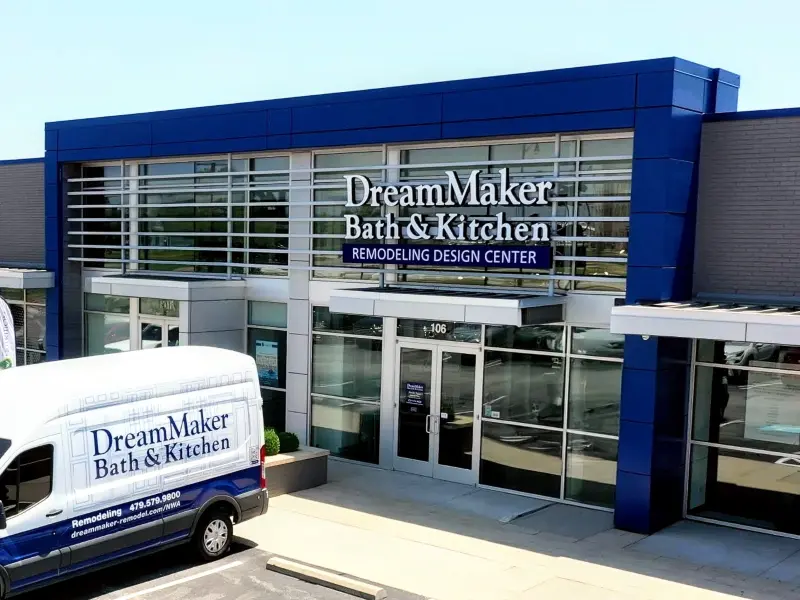
Homeowners spending major money on a kitchen or bath want a professional experience. Writing bids on a clipboard in a pickup truck makes it tough to charge top rates. A dedicated showroom or design space gives clients a place to touch cabinet doors, compare tile, and pick finishes—which closes more jobs at higher prices.
8. Build Direct Supplier and Subcontractor Networks
Buying cabinets and fixtures at retail prices from big-box retail stores strips out your margins before you even start the job. Growing a business requires direct wholesale pricing with cabinet manufacturers and trade suppliers, along with a reliable team of licensed plumbers, electricians, and trade partners who stick to your schedule.
Skip the Trial and Error. Start With a System That Already Works.
Figuring all of this out on your own takes years and plenty of expensive mistakes. Purchasing a remodeling franchisee gives you the systems, tools, and supplier relationships to get up and running without starting from zero.
A Clear Path to Launch
Skip the guesswork of licensing, entity setup, and insurance hurdles. Get a step-by-step onboarding to guide you through every launch milestone with dedicated coaching.
Focus on the Work That Pays
Step into an established brand built specifically around kitchens, bathrooms, and aging-in-place remodeling. These higher-value projects bring in bigger contracts.
Tools Built to Protect Your Margins
Estimating software and labor burden calculator, all designed to help you protect your margins.
A Real Design Center, Built for You
Get architectural guidance, showroom layout plans, and sample displays to help you build a space that earns trust the moment a client walks in.
Buying Power You Couldn't Get Alone
Get direct wholesale pricing, priority with suppliers, and rebate programs with major cabinet, tile, and fixture manufacturers from day one.
Marketing That Brings in Real Leads
Get consistent homeowner inquiries without relying only on word of mouth, through digital marketing campaigns, local marketing playbooks, and a system built to convert leads into signed jobs.
What It Costs to Get Started
DreamMaker Bath & Kitchen franchise investment
Building a business like this takes real starting capital — enough to set up your Design Center, stock sample inventory, and cover working capital while you get going.
DreamMaker’s franchise development team works directly with you to look at funding options, put together a startup plan, and make sure you’re financially ready before you open.
Financial Snapshot
* Investment figures are approximate and provided for general planning purposes only, actual costs may differ.
Steps to Ownership
Speak With Recruiter
Get to Know Each Other
If We Are a Match, Move Forward
Start Your training
Launch your new business
Ready to Learn More?
Finding the right business model comes down to choosing a proven framework. Speak with our team to check local territory availability, review detailed FDD performance data, and determine if DreamMaker is the right fit for your goals.