
The Market Opportunity
Home improvement is one of the most stable and fast-growing industries in the U.S. Aging housing inventory, energy efficiency upgrades, and lifestyle driven renovations all create consistent demand year after year. This means homeowners continue to invest in repairs and improvements regardless of market cycles.
Why Start a DreamMaker Franchise?
By The Numbers
$1.56M
Average Revenue
46%+
Gross Margins
215%
Unit Sales Growth Since 2011
According to the Joint Center for Housing Studies (JCHS) of Harvard University, the U.S. residential remodeling market has reached unprecedented heights in the wake of the COVID-19 pandemic, soaring above $600 billion for the last two years, and is expected to grow to $608 billion in 2025. (Read the full JCHS 2025 Report)
Key demand drivers:
- Aging homes and deferred maintenance
- Rising interest rates leading to the lock-in effect
- The average mortgaged homeowner holds over $300,000 in equity and do not plan to move
- Remote work and multigenerational living increasing space optimization projects
Awards & Credentials















What Makes DreamMaker Different
- Code of Values / Our Culture: We are faith-based with a Code of Values™ and Culture built on Christian principles. Both are very powerful compared to other companies. We are authentic and genuinely care about your well-being and success.
- Visualization for Your Future: We will discuss your personal & business goals. Within our training are tools like 'Discovering the Design For Your Life', Stages of Growth Map, Process Flow Chart, and personalized KPIs.
- DreamMaker Technology Stack: Customized Processes and Database, Technology Coach.
- Coaching & Training: Mentorship with your Franchise Business Coach. Our ratio of Coaches to Franchisees is 1:25.
- Learning and Education: Next Level Peer Groups. People that truly care about each other personally and professionally, Reunions, Workshops and more.
- Procurement: Access to 30+ Remodeling & Business Vendors, buy at discounts or even at wholesale pricing.
Read more about our processes to mitigate risk for new franchisees.
"With DreamMaker you’re buying a system, coaching, marketing support, and access to the network, it’s everything together – a package deal."
Eric Anderson — DreamMaker of East Georgia
DreamMaker's Culture, Vision & Mission
Our Culture
We believe in treating everyone with integrity and respect and serving others. Our Code of Values™ is biblically based and is the central tenet of how we conduct business.
Learn more about Our Culture.
Our Vision Statement
To serve and enrich peoples’ lives with dignity, excellence, humility and respect, while encouraging and inspiring others to do the same.
Our Corporate Mission
To glorify God; To be faithful stewards; To positively impact lives.
To glorify God;
- in all that we do.
To be faithful stewards;
- of all the resources entrusted to us: time, talent, treasures. This includes making a profit.
To positively impact lives.
- to teach our principles and systems of personal and business success so that all people we touch live happier, more successful lives.
Franchise Training, Support, and Systems

BUSINESS MODEL STRATEGIES
A comprehensive overview covering marketing, operations, financial management, technology, and sales. You will receive thorough training on the foundations needed to help your business achieve success.

TRAINING BY MODULE
We provide extensive franchisee training and business coaching which includes a comprehensive onboarding process, technology training, in-person site and mentor visits, and a 12-month marketing plan.

FRANCHISE COACHING
We know you will have some questions in starting your DreamMaker Bath & Kitchen remodeling franchise, so we offer one-on-one business coaching to support you in your journey.

PEER NETWORKING
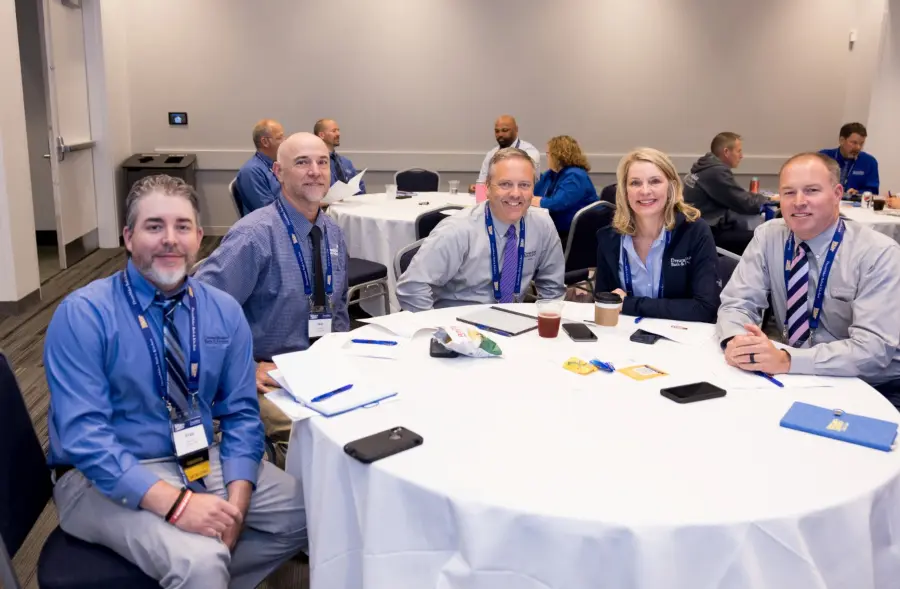
Sometimes an idea has more impact coming from another franchisee. To help facilitate these crucial connections, we offer Peer Groups for all of our franchisees and Next Level Groups for franchisees who want to join.
Training & Ongoing Support
At DreamMaker, we are committed to helping all of our franchise owners achieve success. That is why we created the Transformational Process™, which provides systems designed to support our franchise owners through every step of the business process.
Training and onboarding is a three step process starting with Foundations Prep, Foundations Core, and Simulation over the course of 6-8 weeks via regular phone/Zoom contacts. This process from Signing to your Grand Opening of your Design Center will take approximately 8-10 months.

Min. Cash Required:
$200,000
Net Worth Required:
$500,000
Total Startup Investment:
$329,705 - $654,860
Franchising Since:
1999
Franchise Locations:
44
Investment Costs
In our 2026 Franchise Disclosure Document (see Item 7), you’ll find all of the information about the startup costs needed to launch your own DreamMaker Bath & Kitchen franchise, and we have summarized these costs below.
Unlike many franchise systems, DreamMaker’s franchise start-up cost estimates account for 6-12 months of capital for personal living expenses. We do this to help you plan for fulfilling your personal financial responsibilities during the ramp-up phase of your business.
With the availability of third-party financing options, it is not necessary to have the entire amount up front. You will, however, need to have a net worth of $500,000, and liquid capital of $200,000.
Financial Performance
For further evidence of a strong industry, home remodeling spending increased by over 50% from 2019 to 2026 ($404B to $609B) – this is an annual gain of over 10%, more than twice the market’s historical average of 4.2% from 1995-2019. Additionally, in 2023, nearly 26 million homeowners undertook a home improvement project (a 16% increase since 2019).
As a DreamMaker franchise owner you get exactly what you need to start your own home improvement business with strong margins. In 2025, the top 25% of our franchisees averaged retail sales of $3,232,951.
Average Gross Sales shown for DreamMaker franchisees that operated for the full applicable calendar year. Individual results vary. See DreamMaker's current Franchise Disclosure Document for complete financial performance representations.
"If you want a business where values truly matter, DreamMaker is special. The support is incredible, the leadership is genuine, and it’s a wonderful way to grow closer as a family while serving your community."
— Clint and Julie Chappell, DreamMaker of Greater Rockwall
"When you see the business flow chart on the wall, you see that it has all been thought out for us. And it has been tried and true and this is what you want for any business you go into."
— Sue Bailey, DreamMaker of Huntsville
Frequently Asked Questions
To launch a DreamMaker home improvement franchise, candidates should have $200,000 in liquid capital and a net worth of at least $500,000.
From the initial signing to your Grand Opening, the process typically takes 8 months, including 6-8 weeks of intensive Transformational Process™ training.
Yes. Spending sits roughly 50 percent above pre-pandemic levels, having risen from about $400 billion in 2019 to over $600 billion, and it has held there. The longer-term outlook for the remodeling industry remains encouraging, given an aging housing stock in continual need of work.